
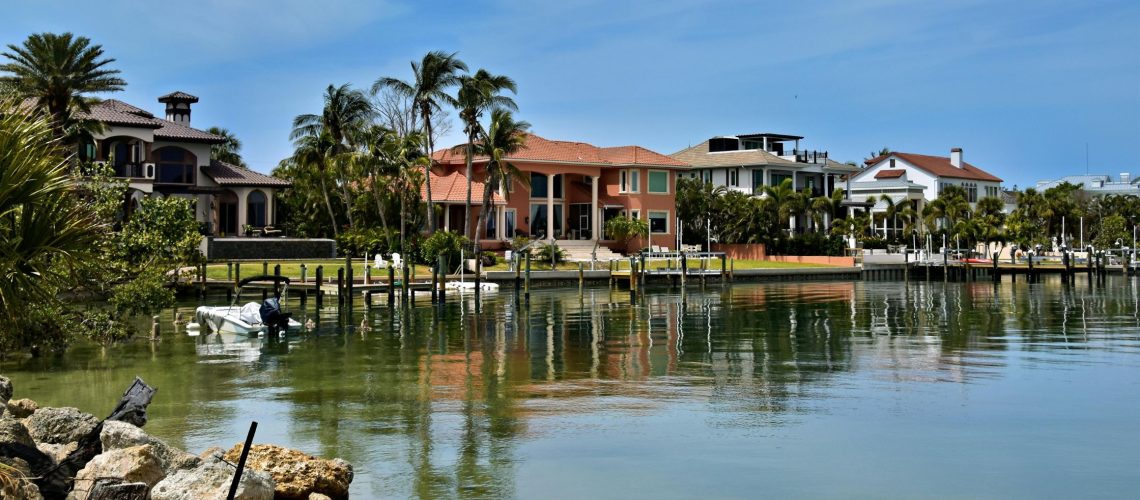
Did you know coastal winds can erase a lawn in weeks, and salt spray can stunt even hearty plants? Avoid common missteps like overplanting grass, ignoring soil salinity, and using quick-release fertilizers. If you skip coastal research or neglect erosion controls, your landscape could rebound with costly fixes.
There’s more to consider, from choosing native, drought-tolerant species to preserving tree roots and proper planters—and that’s just the start of a smarter approach.
1. Failing To Protect Landscaping From Dry Winds
Dry winds can sneak up on coastal landscapes, drying out plants much faster than expected. Have windbreak strategies that protect vulnerable beds without blocking the sun.
Plant drought-resistant plants along exposed edges to reduce water loss, and mix mulch or compost to boost moisture retention. Check soil amendments to improve texture and nutrient availability, helping roots hold moisture deeper.
Adjust irrigation techniques so you don’t overwater or waste precious water; drip lines and soaker hoses deliver steady moisture where it’s needed most.
Pair shade structures with breathable barriers, and monitor wind-prone zones, updating barriers as seasons shift. Your landscapes stay healthier longer.
2. Planting Endless Fields Of Green Grass Lawns
Grass lawns may look neat, but they’re costly to maintain and environmentally costly in coastal areas. Avoid trouble by skipping endless turf and choosing smarter options.
Instead of a monoculture, opt for sustainable landscaping that blends drought-resistant plants with native vegetation. Conserve water using mulch, soil amendments, and smart irrigation, practicing water conservation without sacrificing curb appeal.
Embrace eco-friendly practices like planting clustered meadows and groundcovers that tolerate salt spray and wind. This approach reduces fertilizer needs, lowers mowing labor, and preserves habitat, creating a resilient coastal landscape that respects nature and budget.
3. Planting Trees, Plants & Shrubs Without Researching Coastal Conditions
Choosing plants for coastal properties without researching local conditions is a recipe for trouble: inland favorites often can’t withstand salt spray, wind, and sandy soils, leading to stunted growth or failure.
Improve outcomes by aligning choices with coastal realities.
- Plan coastal plant selection around local climate adaptation to reduce maintenance needs.
- Prioritize native vegetation benefits for better establishment and ecological value.
- Assess soil salinity effects on root health and species suitability before planting.
- Favor drought-resistant species to endure dry, windy periods without excessive irrigation.
This approach heightens resilience, enhances aesthetics, and respects the coastal environment.
4. The Use Of “Quick-Green-Up” Fertilizer, Or Fertilizers Containing High Levels Of Nitrogen
Quick-release or high-nitrogen fertilizers may provide an immediate green-up, but they come with hidden coastal costs. Nitrogen runoff will occur, causing harm to nearby waterways and marine life, and you will pay the long-term price in polluted soils.
Instead, choose organic fertilizer alternatives that nourish soil slowly and resist leaching. Embrace sustainable gardening practices that emphasize soil structure, mulch, and composting to maintain nourishment without excess nitrogen.
For coastal soil management, apply nutrients in modest, slow-release cycles and monitor plant response. This approach supports eco-friendly landscaping while keeping your landscape vibrant without harming the coast.
5. Using Loads Of Herbicides
Using excessive herbicides is not necessary for a tidy yard, and it can harm coastal ecosystems. Choose smarter options today to save water and wildlife.
- Identify weed hot spots and target them early with hand-pulling.
- Apply mulch to suppress growth, improve soil, and reduce maintenance.
- Try herbicide alternatives like vinegar or boiling water only on non-edible weeds.
- Adopt proactive landscaping strategies with native plant benefits and sustainable gardening practices.
Boost resilience, support pollinators, and keep coastal soils healthier without toxic runoff.
Embrace organic weed control and long-term planning for a vibrant, low-maintenance landscape.
6. Chopping Down Trees Located On An Ocean Bluff
Chopping down trees on an ocean bluff destabilizes the shoreline and accelerates erosion, putting your yard and home at risk.
You might think removing trees reduces maintenance, yet roots stabilize bluff soils and slow bluff erosion. Before you prune or fell, assess tree preservation benefits and long-term shoreline health.
Dense canopies shield exposed soil, support native vegetation, and sustain coastal ecosystems. If removal is unavoidable, replace with native species and implement erosion-control measures to maintain slope stability.
Choose a landscape plan centered on sustainable landscaping, bluff protection, and habitat continuity to preserve scenic value and resilience.
7. Removing Topsoil During Construction Without Replacing It
Removing topsoil during construction without replacing it undermines soil fertility and plant performance from day one.
You need a plan that protects topsoil, supports landscaping sustainability, and prevents soil erosion. Follow construction best practices to preserve soil quality and future productivity.
Here’s a concise checklist:
- Allocate on-site storage for topsoil to minimize compaction.
- Safeguard spoils from contamination and wind loss.
- Reapply topsoil after grading to restore depth.
- Monitor soil health to maintain long-term fertility.
8. Using Cheap Planters & Site Furnishings
Cheap planters and site furnishings aren’t worth the risk in coastal settings. When you choose planters, consider planter materials that resist salt, moisture, and UV. Cheap options crumble under constant sun and salt spray, forcing you to replace them often.
Look for furniture durability that stands up to wind, rain, and corrosion, not just good looks. Coastal aesthetics matter, but they won’t matter if items fail quickly. Budget for quality upfront, and you’ll save on maintenance tips like cleaning salt buildup and sealing surfaces.
Invest in durable materials, schedule regular checks, and avoid cheap replacements that break your design and budget.
Steward Your Shoreline with CWG Landscape
You stand at the shoreline of your yard, a doorway to resilience. Let native, salt-kissed plants be your compass; they bend with the wind instead of breaking. Don’t let quick fixes like lush green lawns or quick-release fertilizers drown the coast in runoff. Protect roots, preserve topsoil, and choose durable planters. When you garden with the sea’s rhythm, your landscape becomes a steadfast tide—steady, beautiful, and ready for whatever the weather brings.
With CWG Landscape, that resilience becomes effortless. As a full-service partner for both residential and commercial properties, CWG brings decades of proven expertise in coastal design, installation, and ongoing maintenance—so your landscape not only looks extraordinary, it performs under pressure. Their award-winning team blends horticultural knowledge with meticulous project management, ensuring the right salt-tolerant plant selections, smart irrigation, and erosion-conscious construction that safeguard your investment season after season.
From concept to completion and year-round care, CWG’s collaborative approach means you get responsive communication, reliable scheduling, and workmanship that honors your vision and your shoreline. The result is a landscape crafted to thrive—sustainable, low-maintenance, and stunning—delivered by professionals who treat your property like their own.
Choose CWG Landscape to protect your coast, elevate your curb appeal, and enjoy peace of mind—no matter what the tide brings.